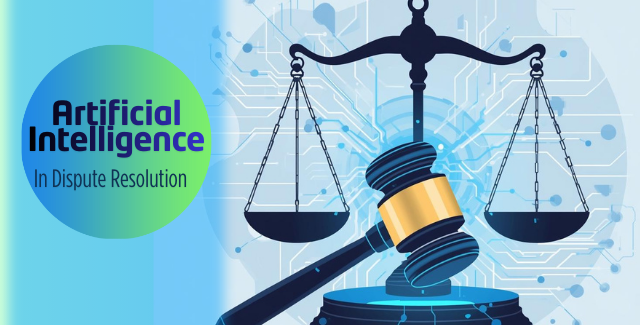
The Silicon Valley Arbitration & Mediation Center (SVAMC) is proud to participate in the UNCITRAL Colloquium on the Use of Artificial Intelligence in Dispute Resolution and Remote Hearings in Arbitration and Mediation, taking place February 16 – 17, 2026 at the United Nations Headquarters in New York. The colloquium is held in connection with the eighty-third session of UNCITRAL Working Group II and brings together leading experts, policymakers, and practitioners to examine the evolving role of artificial intelligence and remote technologies in international dispute resolution.
The program is structured around three key panels addressing some of the most pressing issues facing the global arbitration and mediation community today:
- Arbitrators and the Use of AI: Impact on Recognition and Enforcement
- Use of AI in Mediation and Remote Mediation
- Remote Hearings in Arbitration: Procedural Guidance and Best Practices
These discussions focus on critical topics such as disclosure and transparency in AI-assisted decision-making, maintaining fairness and confidentiality, safeguarding due process, and ensuring the enforceability of arbitral awards in an increasingly technology-enabled environment.
SVAMC Board Member Invited to Provide Expert Contribution
SVAMC is especially honored that Professor Crenguta Leaua, Member of the SVAMC Board of Directors, has been invited to contribute expert insights during the colloquium. Her intervention will address potential areas of future work for UNCITRAL, building on SVAMC’s pioneering efforts in this field.
Professor Leaua’s proposals focus on several key areas where international guidance may be needed, including:
- Conceptualizing arbitrators’ independence and impartiality in relation to AI tools, ensuring that decision-making authority remains grounded in human judgment.
- Developing procedural mechanisms to address the evolving role of technology over time, including the concept of “dynamic due process,” to preserve the integrity of parties’ consent and procedural fairness.
- Preserving “ex aequo et bono” decision-making as an area of exclusively human arbitral judgment, free from AI intervention.
She emphasized that UNCITRAL is uniquely positioned to develop harmonized global principles that could align institutional rules, ad hoc arbitration practices, and judicial enforcement frameworks worldwide.
SVAMC’s Leadership in AI and Arbitration
SVAMC has been at the forefront of the international conversation on artificial intelligence and dispute resolution. In 2024, SVAMC released the first comprehensive Guidelines on the Use of Artificial Intelligence in Arbitration, helping to catalyze global dialogue and encouraging arbitral institutions and professional organizations worldwide to address the implications of AI.
As Jonathan W. Fitch, CEO of SVAMC, noted in the Foreword to the Guidelines:
“Since its founding, SVAMC has grown to be the voice of global technology dispute resolution through the collective efforts of SVAMC’s leadership and members. The publication of these general principles for the use of AI reflects SVAMC’s commitment to promoting fairness, efficiency, and transparency in arbitral proceedings.”
Since their release, the SVAMC Guidelines have influenced discussions across jurisdictions and contributed to the development of emerging best practices.
Advancing Responsible Innovation in Global Dispute Resolution
UNCITRAL’s initiative to explore future work on artificial intelligence in arbitration reflects the growing importance of ensuring that technological innovation enhances, rather than undermines, the integrity of dispute resolution processes. As states remain ultimately responsible for recognizing and enforcing arbitral awards, internationally harmonized guidance will play a critical role in shaping the future legal landscape.
SVAMC looks forward to contributing to this important global dialogue and continuing its leadership in advancing responsible, transparent, and effective use of artificial intelligence in dispute resolution.